Blog #2 Egyptian Tomb Art
SEPTEMBER 18th, 2023 - - - - - - - - - - - - - - - - - - - - - - - - - - - - - - - - - -
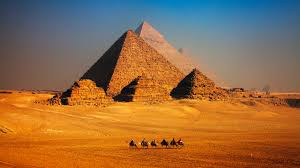
The artworks were produced for functionality rather than vanity and were intended to be privately made for the deceased.

Hello all! Welcome back to blog #2 regarding cultural art! In this blog I will be covering Egyptian tomb art.
Ancient Egyptians began making tombs during the Early Dynastic Period (c.1350-c.2613 BCE). Each tomb held formerly high ranking members of Egyptian society such as regional rulers, priest and pharaohs. In these tombs were tangible items to help the deceased on their passage to the afterlife such as food and household goods. However these supplies were also left in the tomb in other forms, painted or carved into elaborate displays on tomb walls.
Egyptian tomb art was believed to be the bridge of contact between the dead and the living. Paintings were pivotal as they entombed the deceased's spirit, and were to aid alongside the mummified person in their voyage to the afterlife.
In these paintings all figures are depicted in front or profile view. This is consistent with the Egyptian perception of duality; life and death or good and bad. The deceased are drawn facing straight with one eye visible and front facing shoulders. While the poses look rigid, this was done on purpose as the Egyptians wanted clear representation of the most prominent body parts rather than anatomical realism.
The body parts shown had to be as accurate as possible, hence why eyes were painted front facing despite the person being turned to their side. This was to ensure to body of the deceased remained intact in the afterlife, after all they could not have half an eye!
Notice how all the figures are drawn to the side below.
Frontality in Egyptian Art(Wondrium Daily, Investigate Art History in Ancient Egypt)
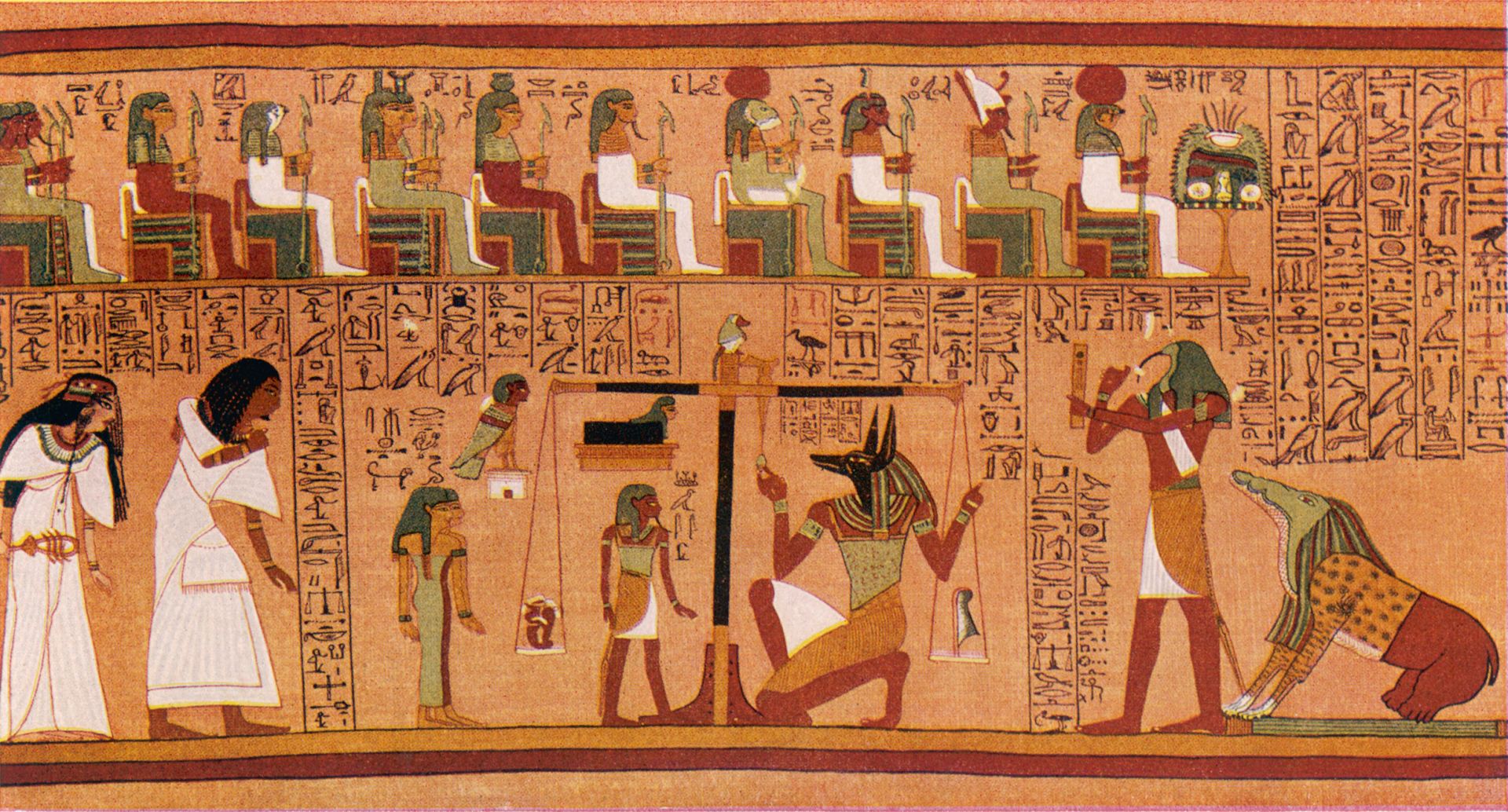
Egyptian art is also balanced because it reflects the ideals of the perfect afterlife. Scale was used to convey hierarchy, therefore the larger a figure the more important they were. Servants and animals are painted in smaller scale and Pharaohs or Gods were drawn as the largest figure.
Notice how the Gods below such as Anubis are much larger than the person.
In this photo Anubis, the deity of death and mummification is weighing a heart, dictating the fate of the soul. Souls heavier than a feather would be devoured by Ammit, standing behind while light souls would ascend.
(DK Find Out! The Journey of the Dead)
Bonus Facts!
Anubis The God of Death : The gods head is black in reference to association of the color with decay. Anubis' image is shown with a jackal head because stray dogs and jackals had the tendency to dig up and savage corpses. There is a collection of dog catacombs filled with nearly 8 million mummified dogs, jackals and foxes to honor the jackal god of death!
(word count 470)

Comments
Post a Comment